What Does a Complete Brake Job Include?
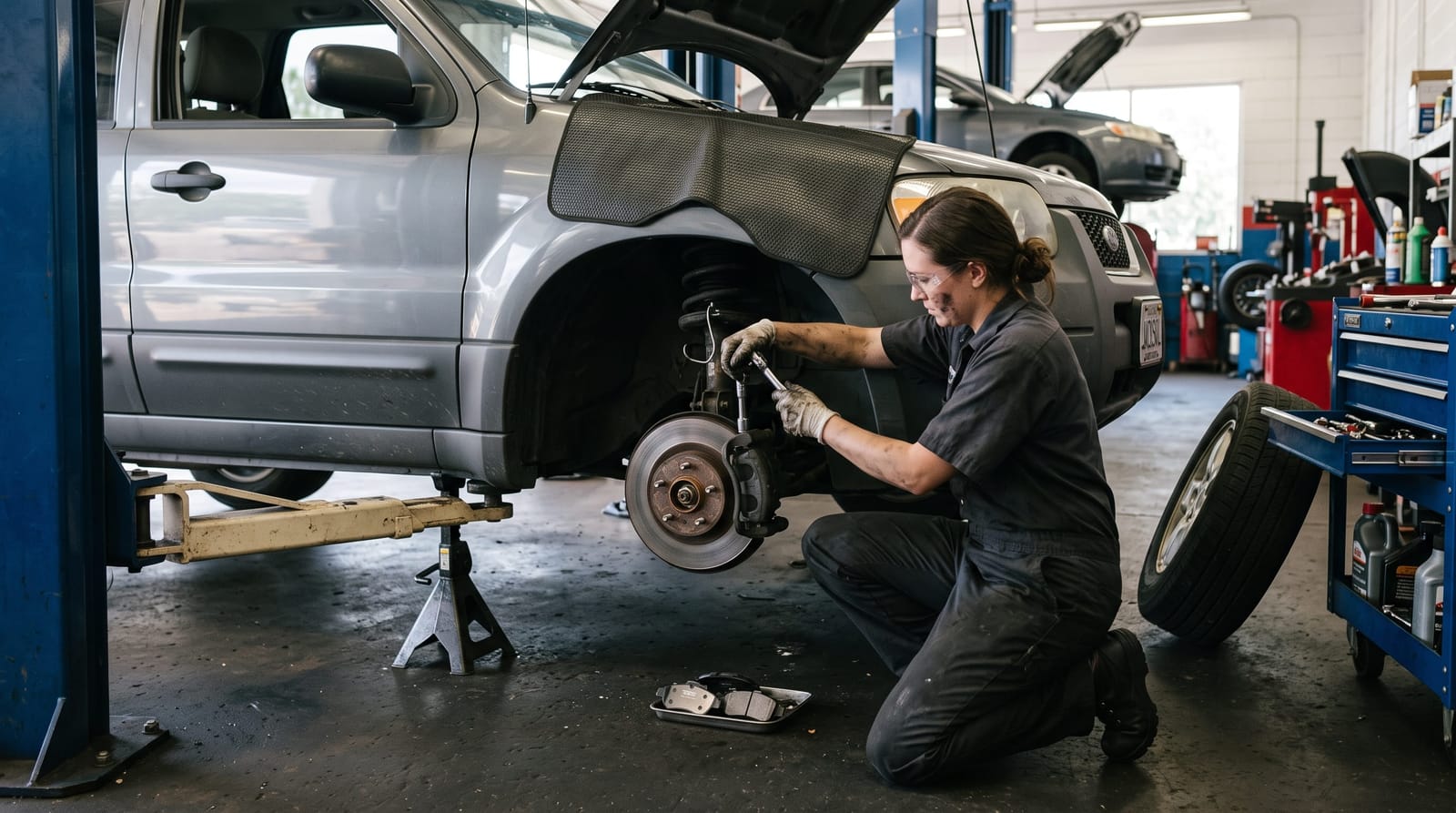
If you've been told you need a "complete brake job," you might be wondering exactly what that means and what you're actually paying for. Brake service isn't one-size-fits-all, and the term can mean different things depending on what your vehicle needs. This article breaks down every component typically included in a full brake service so you can walk into the shop informed and confident. Understanding the process also helps you have a more productive conversation with your technician about what your vehicle actually needs.
Brake Pad Replacement: The Starting Point
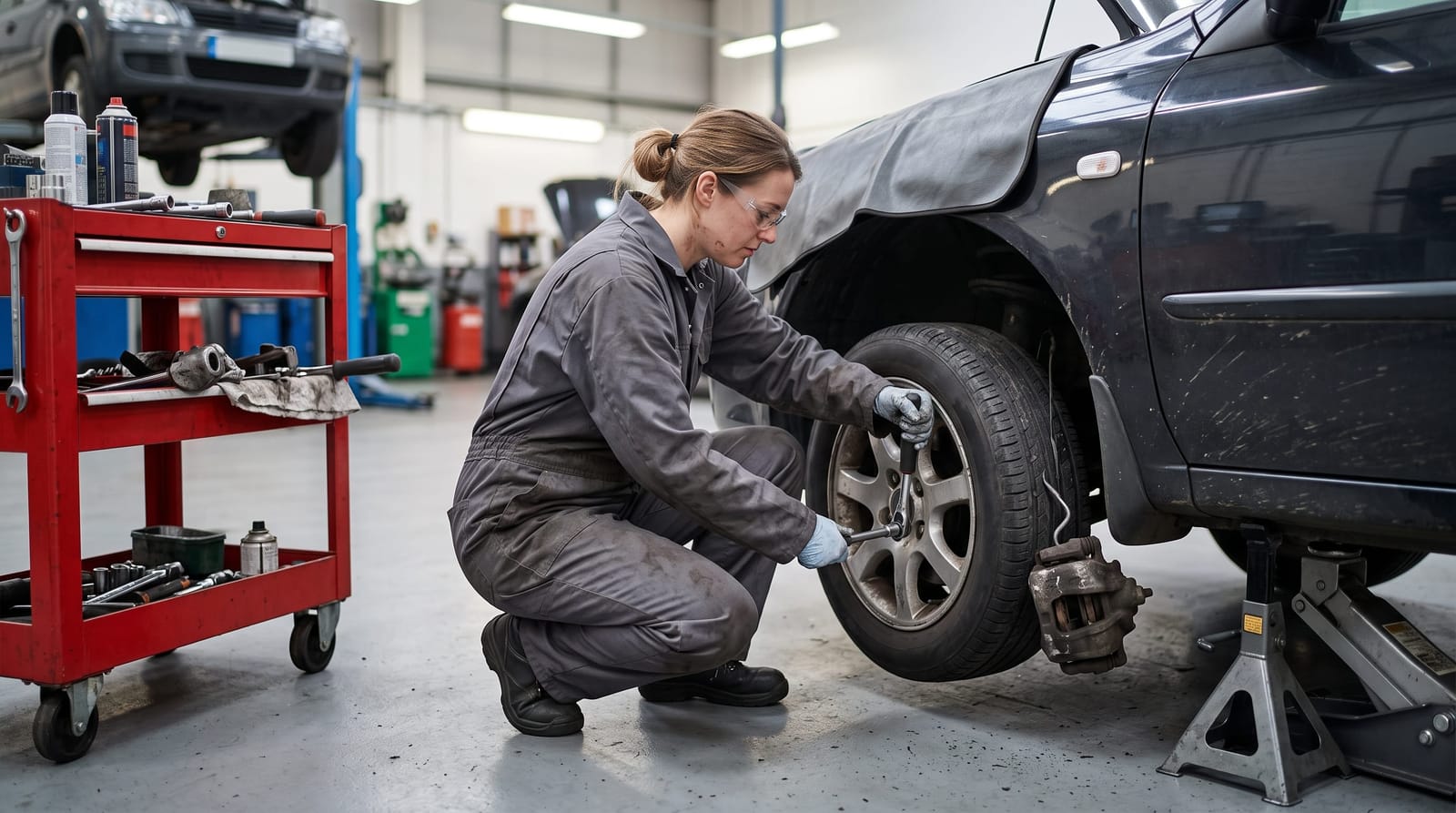
Brake pads are the friction material that presses against your rotors to slow and stop your vehicle. They wear down over time through normal use, which is why pad replacement is almost always the foundation of any complete brake job.
When a technician replaces your brake pads, they'll remove the old, worn pads from the caliper bracket and install new ones. The type of pad material matters: ceramic, semi-metallic, and organic pads each have different performance characteristics and price points. A good technician will recommend pads that match your vehicle's design and your typical driving habits, whether that's mostly highway miles, stop-and-go city traffic, or a mix of both.
New pads alone won't do the job properly if the surrounding components aren't addressed at the same time. That's what makes a "complete" brake job different from a basic pad swap.
Rotor Service: Resurfacing or Replacement
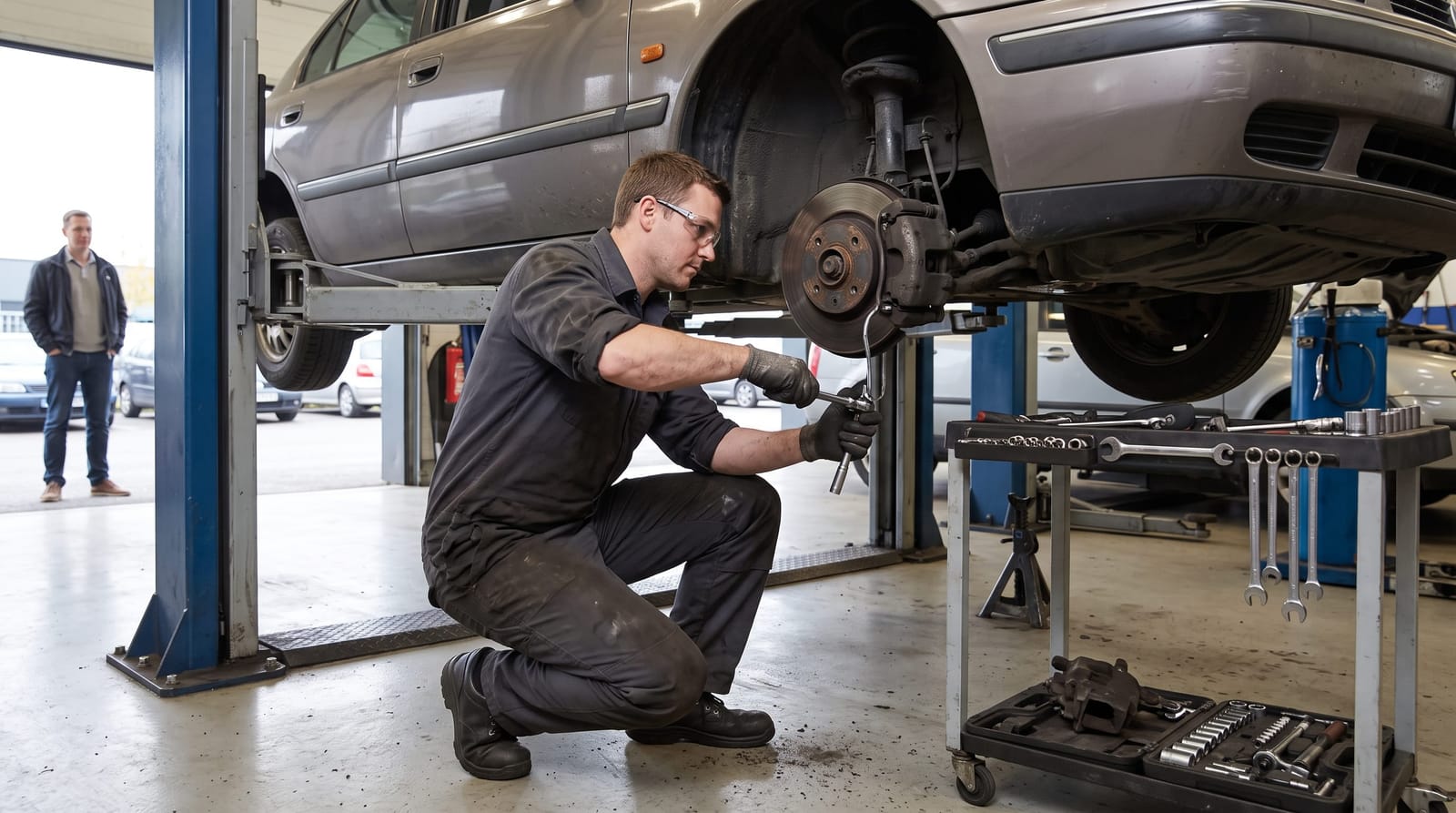
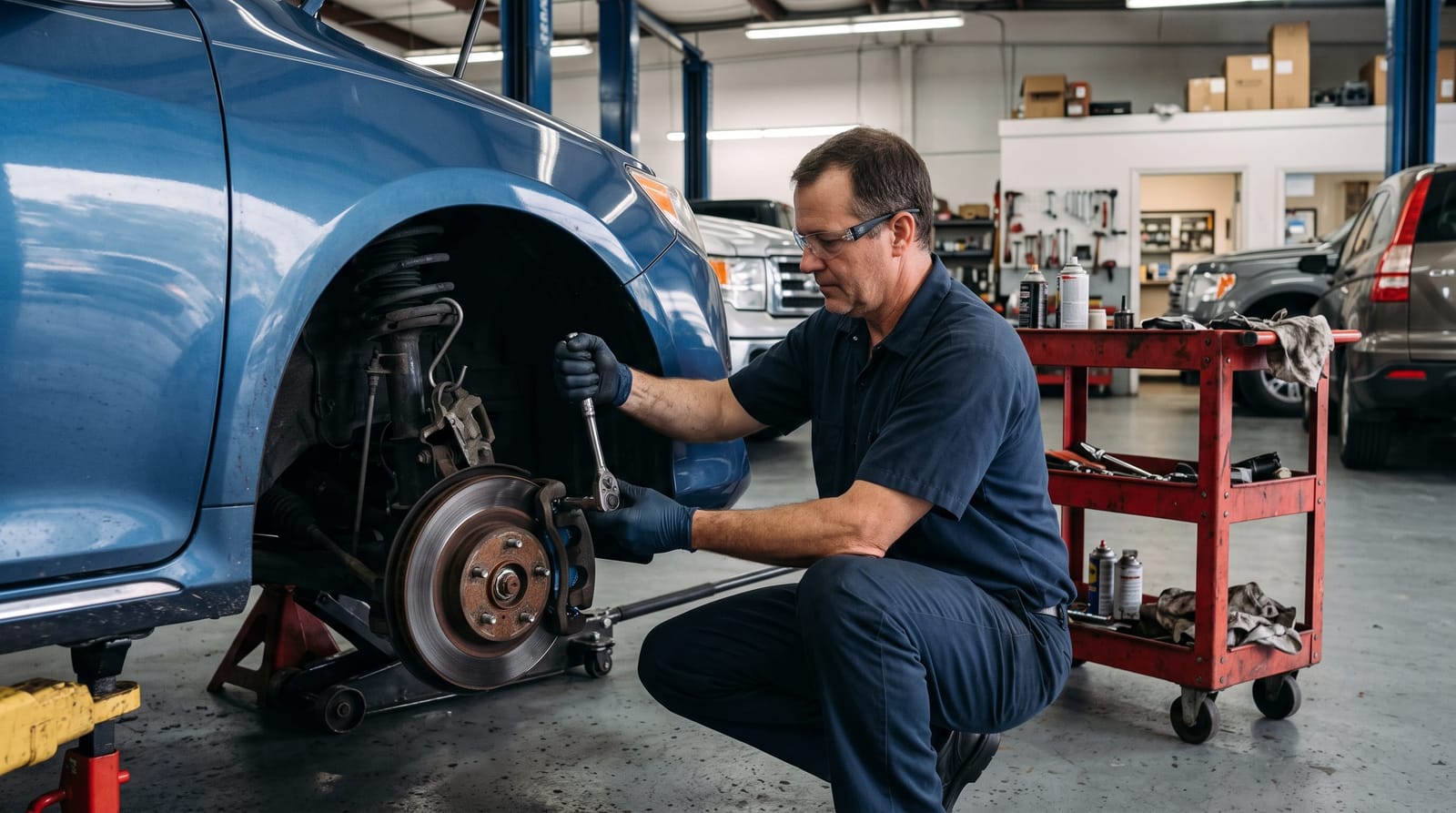
The rotors are the large metal discs that your brake pads clamp down on to create stopping friction. Over time, rotors develop wear patterns, grooves, and sometimes warping from heat cycles. A complete brake job always includes an assessment of rotor condition, and either resurfacing or replacing them based on what's found.
Resurfacing means a technician uses a lathe to remove a thin layer from the rotor surface, eliminating grooves and restoring a smooth, even finish. This is a cost-effective option when the rotor still has enough material thickness to work with safely.
Replacement is necessary when rotors are worn below the manufacturer's minimum thickness, heavily scored, or warped beyond what resurfacing can correct. Trying to resurface a rotor that's too thin can create a safety concern, so a reputable shop will always measure before making a recommendation.
Putting new brake pads on damaged or worn rotors can lead to uneven braking, vibration, and premature pad wear, which is why this step shouldn't be skipped.
Caliper Inspection and Hardware Replacement
The brake caliper is the hydraulic clamp that squeezes the brake pads against the rotor when you press the pedal. During a complete brake job, calipers are inspected for proper function, even if they aren't being replaced.
Technicians check for:
- Sticking or seized pistons that prevent even pad contact
- Leaking caliper seals that can cause brake fluid loss
- Corrosion or physical damage that affects performance
- Proper sliding pin movement on floating calipers
Caliper replacement is only recommended when there's a confirmed problem, not as a routine part of every brake job. However, if a caliper is sticking or leaking, ignoring it will compromise the work done on the pads and rotors.
Hardware replacement is another detail that often gets overlooked in a rushed brake job. The small clips, shims, and retaining hardware that hold the brake pads in place can wear or corrode over time. Most quality brake pad kits include new hardware, and a thorough technician will install it as part of the service. Fresh hardware helps reduce noise, allows the pads to seat correctly, and extends the overall life of the new components.
Lubrication: A Small Detail That Makes a Big Difference
Brake lubrication is applied in very specific places, and just as importantly, kept away from others. During a complete brake job, a technician applies brake-specific lubricant to the caliper sliding pins, the back of the brake pads (where they contact the caliper bracket), and the contact points between the pad hardware and bracket.
This lubrication allows components to move as intended, helps prevent squealing from metal-on-metal contact, and keeps the calipers sliding freely so the pads wear evenly. It's a relatively small part of the job, but skipping it or using the wrong product in the wrong location can cause noise issues and uneven wear shortly after the service.
It's worth noting that lubricant should never come into contact with the rotor surface or the friction face of the brake pads: doing so would significantly reduce braking effectiveness.
Brake Fluid Check and System Inspection
A complete brake job should always include a check of the brake fluid. Brake fluid is hygroscopic, meaning it absorbs moisture from the air over time. As water content increases, the fluid's boiling point decreases, which can affect braking performance under heavy use.
During this part of the inspection, a technician will:
- Check the brake fluid level in the reservoir
- Assess the condition of the fluid (color and moisture content)
- Look for signs of leaks in the lines, hoses, or master cylinder
- Note whether a brake fluid flush is needed based on condition or mileage
A brake fluid flush isn't always part of a standard brake job, but it should be recommended if the fluid is degraded. Your technician should explain the finding and let you decide how you'd like to proceed, not add it to your bill without discussion.
The system inspection also includes a visual check of the brake lines and hoses for cracks, corrosion, or wear. These components are easy to overlook but important to the overall health of your braking system.
The Test Drive: Confirming the Work
A test drive after the brake service is a standard part of any thorough brake job. It serves two purposes: bedding in the new pads and rotors so they seat properly, and confirming that the brakes feel right before the vehicle is returned to you.
During the test drive, the technician listens and feels for anything unusual: noise, vibration, pulling to one side, or a soft pedal feel. If something doesn't feel right, it gets addressed before you pick up the vehicle. This final step is part of what separates a quality brake service from a rushed one.
Frequently Asked Questions
Do I always need new rotors when I get brake pads replaced?
Not necessarily. Whether your rotors need to be replaced or resurfaced depends on their current thickness and condition. A technician should measure them and inspect for damage before making a recommendation. In some cases, rotors can be resurfaced and reused. In others, replacement is the better option for the long-term performance of the brake system.
How long does a complete brake job typically take?
Most complete brake jobs on a single axle (front or rear) take roughly one to two hours. If all four corners are being done at once, or if additional repairs are needed, the time will be longer. Your shop should be able to give you a time estimate once they've assessed your vehicle.
What's the difference between a complete brake job and just replacing brake pads?
A pad-only replacement addresses the friction material and nothing else. A complete brake job also includes rotor service, caliper inspection, hardware replacement, lubrication, and a fluid check. The more comprehensive approach helps ensure the new pads function properly and last as long as they should.
How do I know if my brake fluid needs to be replaced?
Brake fluid that has absorbed significant moisture may appear dark or cloudy compared to fresh fluid, which is typically light yellow and clear. Many manufacturers recommend a brake fluid flush every two to three years, though the specific interval varies by vehicle. A technician can test your fluid's moisture content during a brake inspection to give you a more accurate picture of its condition.
Understanding What You're Paying For
A complete brake job covers a lot of ground, and for good reason. Each component in your braking system works together, and addressing them as a unit leads to better results than patching one piece at a time. When you understand what's included, you're better equipped to ask the right questions, compare service recommendations, and feel confident in the work being done.
If your brakes are showing signs of wear or it's been a while since your last brake inspection, the team at Jordan Auto Repairs is happy to take a look and walk you through exactly what your vehicle needs. Schedule a brake inspection today and get a clear, straightforward answer with no pressure.