How Do I Know If I Need New Brake Calipers?
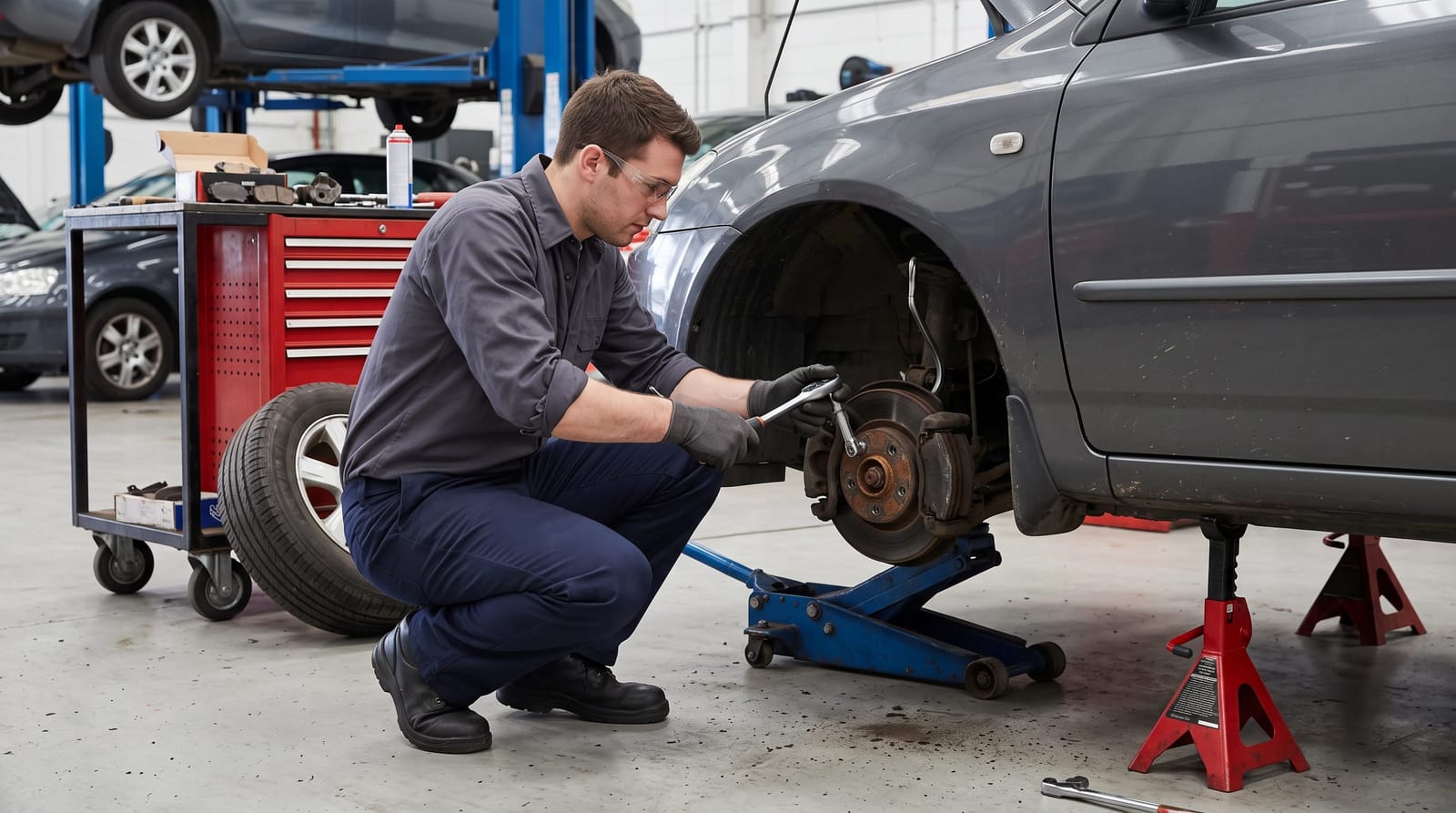
When something feels off with your brakes, it's easy to assume the pads or rotors are the culprit, but the calipers deserve a closer look too. Signs of a bad brake caliper can mimic other brake problems, which is why so many drivers miss them until the situation gets serious. This reference guide breaks down exactly what brake calipers do, how they fail, and the specific warning signs that mean it's time to have yours inspected. If you've been researching brake repair Jacksonville FL, understanding calipers is an important piece of that puzzle.
What Does a Brake Caliper Actually Do?
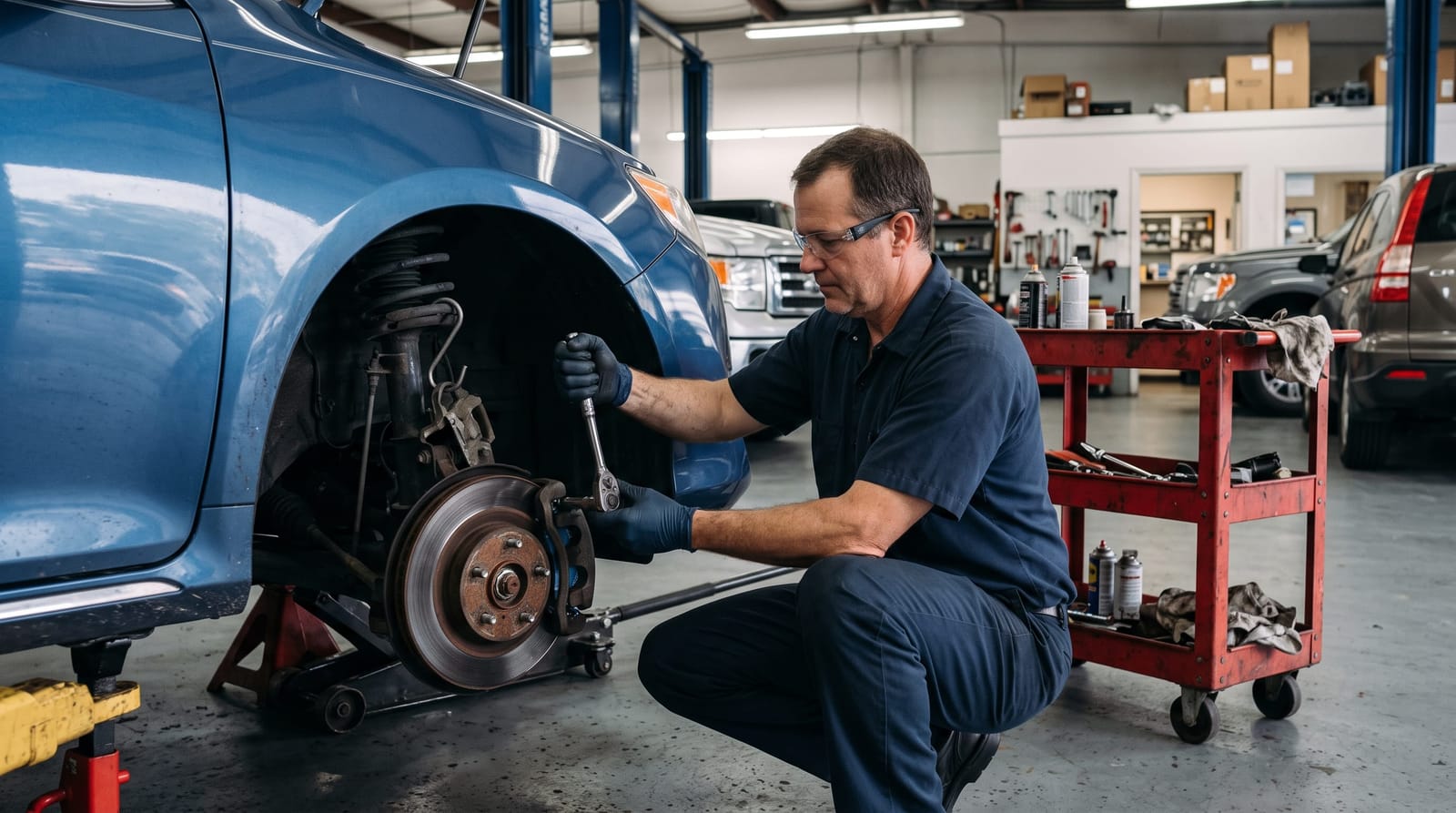
Before diving into failure symptoms, it helps to understand what you're dealing with. The brake caliper is the component that houses your brake pads and creates the clamping force needed to stop your vehicle. When you press the brake pedal, hydraulic pressure travels through the brake lines to the caliper, which then squeezes the brake pads against the rotor. That friction is what slows your wheels down.
Most modern vehicles use a floating caliper design on the front axle, while some performance and heavy-duty vehicles use fixed calipers with pistons on both sides of the rotor. Either way, the caliper relies on a healthy piston, a clean slide pin, intact seals, and consistent hydraulic pressure to do its job correctly.
Calipers are built to last: many function reliably for 75,000 to 100,000 miles or more. But heat, moisture, road debris, and brake fluid contamination all take a toll over time. When a caliper starts to fail, it doesn't always fail completely at once. Instead, you'll notice a pattern of gradually worsening symptoms that are worth paying attention to.
Signs of a Bad Brake Caliper: The Key Symptoms
Recognizing the signs of a bad brake caliper early can prevent unnecessary rotor and pad damage, and more importantly, keep you safer on the road. Here are the most common indicators:
1. Your Car Pulls to One Side When Braking
This is one of the most telling signs of a bad brake caliper. If a caliper is stuck in the applied position on one side, it's applying uneven braking force across the axle. Your vehicle will pull noticeably toward the side with the sticking caliper when you press the brake pedal. Some drivers confuse this with an alignment issue, but if the pulling only happens during braking, not while driving straight, a caliper is the more likely suspect.
2. Dragging Brakes and Reduced Fuel Efficiency
A seized caliper piston or a stuck slide pin can cause the brake pads to remain partially engaged with the rotor even when you're not braking. This creates a dragging sensation and generates significant heat. Drivers with dragging brakes often notice:
- A sluggish or heavy feeling when accelerating
- The vehicle slowing down faster than expected after releasing the gas
- Decreased fuel economy: a stuck caliper can reduce mpg by 10-20% in severe cases
- Warmth or heat radiating from one wheel after driving
3. Burning Smell After Driving
Friction generates heat, and a caliper that won't release keeps generating that friction long after you've stopped pressing the pedal. If you smell something burning, similar to hot metal or overheated rubber, after normal driving, especially near one specific wheel, a dragging caliper is a strong possibility. This symptom is particularly noticeable after highway driving or extended stop-and-go traffic.
4. Uneven Brake Pad Wear
A healthy braking system wears pads evenly across both sides of an axle. When a caliper is failing, it often causes one of the following uneven wear patterns:
- One pad far thinner than the other on the same wheel (inner vs. outer pad)
- Pads on one wheel significantly more worn than the same position on the opposite wheel
- Tapered pad wear, where one end of the pad is thinner than the other
Uneven pad wear is one reason mechanics recommend inspecting calipers whenever you're having brake work done. If you're wondering whether do rotors need replacing with brake pads in your situation, the condition of your calipers plays a role in that decision too: a sticking caliper can accelerate rotor wear significantly.
5. Visible Brake Fluid Leak Near the Wheel
Calipers use rubber seals around the piston to contain brake fluid under pressure. Over time, those seals degrade, especially if the brake fluid hasn't been changed and has absorbed moisture. When a caliper seal fails, you may see:
- A wet, oily residue on the inside of the wheel or tire
- A small puddle or streak of clear to light brown fluid near the wheel
- A soft or spongy brake pedal (fluid loss reduces hydraulic pressure)
A brake fluid leak is a serious safety concern and warrants immediate professional inspection. Brake fluid loss directly reduces your vehicle's stopping ability.
6. Spongy or Soft Brake Pedal
While a spongy pedal can result from air in the brake lines or a failing master cylinder, a leaking caliper is also a common cause. If you notice the pedal sinking closer to the floor than usual, or requiring more pressure to achieve normal stopping power, this symptom combined with any of the others listed above points toward a caliper problem.
How Bad Brake Calipers Affect Overall Brake Performance
The brake system on your vehicle is designed to work as a balanced, coordinated unit. Calipers on the same axle need to apply roughly equal force at the same time. When one caliper is sticking, leaking, or failing to release, the entire system is thrown off balance. Studies on braking efficiency show that a single stuck caliper can increase stopping distances by 20-30% compared to a fully functional system: a significant margin in an emergency situation.
Beyond stopping distance, a bad caliper causes accelerated wear on pads and rotors, which increases your overall repair costs. A caliper that might cost $80-$150 to replace on its own becomes a more expensive job when it's also destroyed a set of pads and scored a rotor that now needs resurfacing or replacement.
This is why technicians performing brake repair Jacksonville FL look at calipers as part of a complete brake inspection, not just as an afterthought when pads get replaced.
When to Get Your Calipers Inspected
Not every brake caliper issue requires immediate replacement. Sometimes a caliper can be rebuilt with new seals and pistons if the housing itself is in good condition. Other times, replacement is the more practical and cost-effective option. A professional inspection will help determine which path makes sense for your vehicle.
Plan to have your calipers evaluated if you notice:
- Any of the symptoms described above, especially pulling or dragging
- Your vehicle has more than 75,000 miles and has never had the calipers inspected
- You live in a coastal or high-humidity area like Jacksonville, where salt air accelerates corrosion on caliper hardware
- Your brake fluid is dark brown or hasn't been changed in more than 2-3 years
- You notice heat or a burning smell coming from a specific wheel after normal driving
Frequently Asked Questions
Can I drive with a bad brake caliper?
Driving with a confirmed bad brake caliper is not advisable for anything beyond getting the vehicle to a shop. A sticking or leaking caliper can significantly reduce braking effectiveness and create unpredictable pulling during hard stops. The safest course of action is to have the vehicle inspected as soon as symptoms appear. For guidance on your specific situation, consult a qualified automotive technician.
How long do brake calipers typically last?
Brake calipers are generally designed to last 75,000 to 100,000 miles under normal driving conditions. However, environmental factors, like the heat and humidity common in the Jacksonville area, can shorten that lifespan, particularly for the rubber seals and slide pin boots that keep calipers functioning smoothly.
Do calipers need to be replaced in pairs?
It's common practice to replace calipers in pairs on the same axle, meaning both front or both rear, to maintain balanced braking force. If one caliper has failed due to age or corrosion, the other on the same axle is often in similar condition. Your mechanic can evaluate whether single or paired replacement is appropriate for your situation.
What happens if a brake caliper is not replaced when needed?
A failing caliper that's ignored will typically cause progressive damage to brake pads and rotors, increasing overall repair costs. In more serious cases, continued caliper failure can result in brake fluid loss, significantly reduced stopping power, or a caliper that seizes completely: preventing the wheel from rotating freely. These outcomes are why early inspection matters.
Final Thoughts
Recognizing the signs of a bad brake caliper, pulling to one side, dragging, burning smells, uneven pad wear, and fluid leaks, gives you the information you need to act before a small problem becomes a costly or dangerous one. Calipers are a critical part of the brake system, and catching failure early protects both your safety and your wallet. If you're seeing any of these warning signs, a brake inspection by a qualified technician is the right next step. Jordan Auto Repairs is here to help Jacksonville drivers get straightforward answers and honest brake repair: no guesswork, no unnecessary upsells.